Reforming Washington State Policy on Failed Community Placements for DD to Protect Vulnerable Families
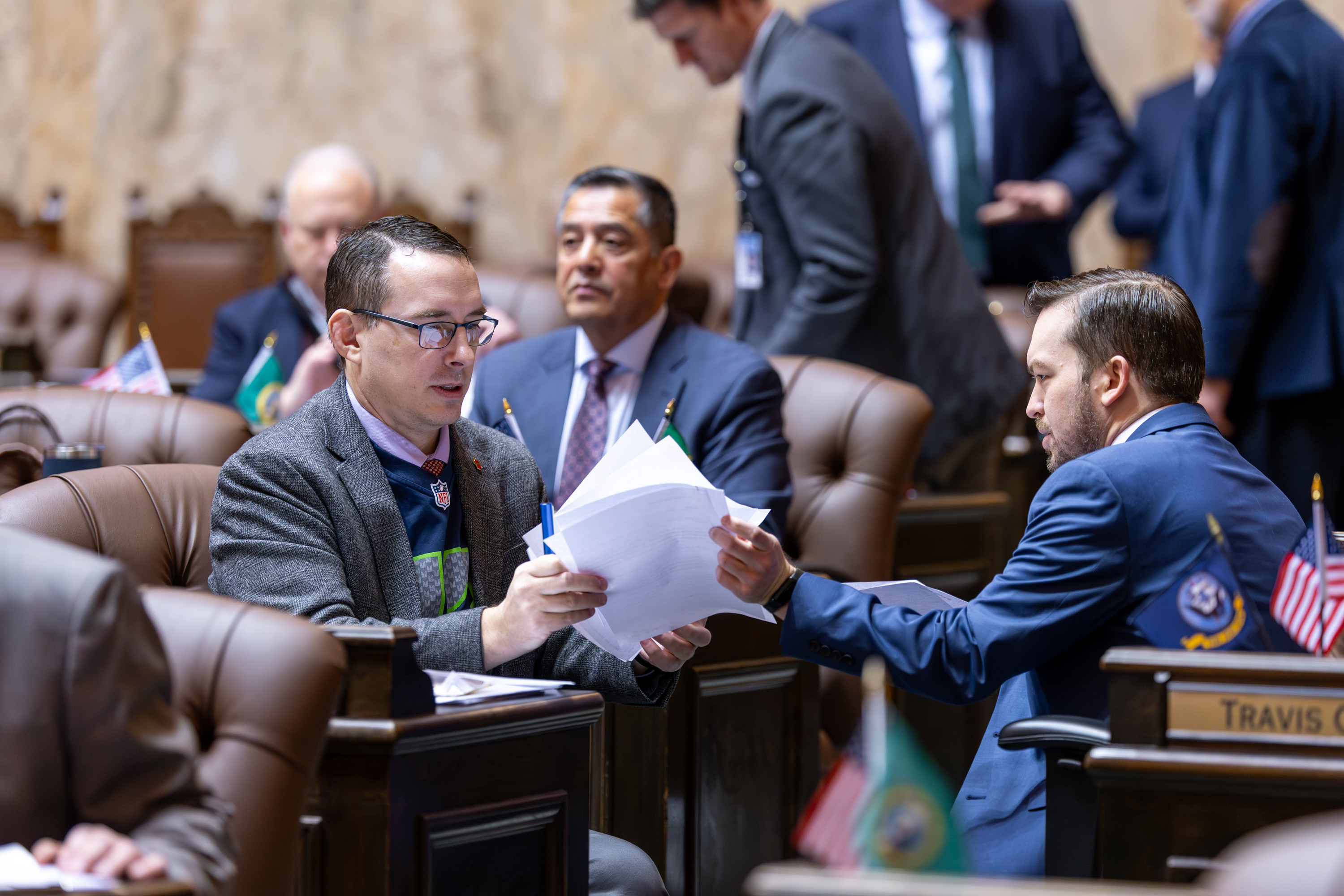
“They are balancing their political goals on the backs of our most vulnerable neighbors.”
The phone rings at 2:00 AM. For most parents, a late-night call brings a brief moment of worry. But for a parent of an adult child with severe developmental disabilities, that ringing phone is a recurring nightmare. It is the call telling them that their child’s community home placement has collapsed. Perhaps the staff was not trained to handle a sudden medical crisis. Maybe a behavioral episode left the underpaid workers overwhelmed. Whatever the reason, the message is the same: Come get your child right now, or we are calling the police.
This is not a rare story. It happens every single week across Washington, and it hits close to home right here in the 31st Legislative District. From Orting to Buckley, Auburn to Edgewood, families are living in constant fear. They watch their loved ones get pushed into neighborhood homes that are simply not equipped to care for them. When those placements fail, the state has no backup plan. Parents are left to pick up the pieces. They are forced to quit their jobs, exhaust their savings, or watch their children suffer in local emergency rooms.
We need a major change in how our state handles these emergencies. The current Washington state policy on failed community placements for DD offers no safety net, and it is tearing vulnerable families apart.
The Failure of the One-Size-Fits-All Model
The root of this crisis lies in Olympia. For years, the majority that has been in charge for the last 35 years has pushed a single-minded goal. They want to close our state's specialized care centers, known as Residential Habilitation Centers (RHCs). They want to move everyone, regardless of the severity of their disability, into local neighborhood homes.
But here is the hard truth: some individuals have profound, complex needs that require constant, specialized medical and behavioral care. When a private group home decides they can no longer handle a resident, they can simply issue a discharge notice. The individual is cast out with nowhere to go.
Our state agencies are trying to run a massive, decentralized system of private care, but they cannot even manage the basics. During a recent legislative debate, I pointed out this exact failure of oversight:
“How are you going to take an organization that apparently can't oversee a couple RHC's, and then say they're going to oversee dozens or perhaps more community-based caregiving sites?”
By rushing to shut down our state-run care centers, like the Rainier School right here in Buckley, the majority party is destroying the only real safety net these families have. They are replacing a centralized, highly specialized system of care with a scattered network of underfunded private homes. It is a classic case of incompetent leadership. They are balancing their political goals on the backs of our most vulnerable neighbors.
The Devastating Human and Financial Cost
When these placements fail, the human cost is devastating. It is measured in the physical and mental exhaustion of parents who must suddenly become round-the-clock crisis managers. It is measured in lost wages and drained bank accounts, as moms and dads miss work to sit in hospital hallways because there is no other safe place for their child.
Some individuals have needs so complex that a standard community home is simply a dangerous fit. I have fought hard on the House floor to make my colleagues understand this reality:
“There's a level of disability that doesn't fit in State Operated Living Alternatives (SOLAs) or doesn't fit in adult family homes, which are gutted elsewhere in the budget that doesn't fit in any other institutions that we've funded far in this state.”
Without RHCs, these individuals have nowhere to go when a placement fails. They do not transition smoothly to a new home. Instead, they spiral. They end up stuck in general hospital beds for months at a time. This costs taxpayers thousands of dollars a day while providing the individual with none of the specialized therapy they actually need. It is a massive waste of public funds, and more importantly, it is a failure of basic human decency.
A Common-Sense, Maintenance-First Solution
We must stop trying to force every single person into a one-size-fits-all model. It is time to reform Washington state policy on failed community placements for DD by building a strong, reliable safety net.
The solution starts with a guaranteed "right of return." If a person transitions from a state facility into a community home, and that home cannot meet their needs, they must have an immediate, guaranteed path back to a specialized state care center. We cannot allow them to be cast aside. As I argued during the budget debates:
Here is how we can fix this broken system and bring competent, adult leadership back to our state's care network:
Watch Representative Penner discuss "Rep. Joshua Penner: You can't shut it down without a plan | Opposition to House Bill 1472" on YouTube
Watch Testimony on YouTube ↗Bringing Competent Leadership Back to Olympia
We can do better than this. Washington families should not have to live in fear of a single phone call throwing their lives into chaos. Money alone will not fix this problem. We have seen the state spend billions of dollars on programs that produce terrible outcomes because the underlying system is completely broken. We need better management, better oversight, and a commitment to protecting the most vulnerable among us.
It is time for adult leadership in Olympia—leadership that values competence over political ideology and understands that a safety net is only as strong as its most secure link.
I am committed to fighting for these common-sense reforms to protect our DD community and their families. Let’s bring balance, accountability, and real compassion back to Washington State.
Join The Fight For Accountability
Help us hold the line against bad policy and runaway spending.